
How to Heal Your Gut: A Naturopathic 4-Step Gut Healing Protocol
Oct 20, 2023Contrary to popular belief, you are more than what you eat. You are also what you’re able to digest, metabolize and absorb.
The health of your whole gastrointestinal (GI) system is essential for proper digestion, metabolism and absorption of the nutrients that support all of your body’s functions, including your immune system, hormones and nervous system. Your gut health even affects your mental health through its connection with the brain, often called the gut-brain axis.
Not sure what your symptoms mean? Start here: Why Am I Always Bloated? 4 Common Digestive Problems and What They Mean.
Signs of an unhealthy gut
If you can’t get the nutrients out of your food, the cells in your body can’t work properly. Over time, this can show up as signs and symptoms like:
- Hormone imbalances, including PMS and hot flashes
- Inflammation, including pain and bloating
- Immune imbalances, including frequent colds and autoimmune concerns
- Mood changes, including anxiety, depression and irritability
Many people don’t realize how closely their digestive system is connected to these key systems. We work one-on-one with women who have obvious digestive symptoms like bloating, constipation, loose stools and acid reflux. But we also work with women struggling with hormone imbalances, inflammation, unexplained weight gain, fatigue, headaches, joint pain and anxiety, and very often, the gut is part of the picture.
Once their microbiome is balanced through the GI Protocol, many of our patients notice their health improve and feel more connected and in tune with their bodies.
What is the GI Protocol (4R gut healing protocol)?
The GI Protocol is a four-phase program designed to support gut healing.
Gut health can be affected by stress, food sensitivities, an imbalance in gut bacteria and inflammation. Over time, these can lead to increased intestinal permeability, often called leaky gut.
The four phases below are what we use to reduce the factors linked to inflammation and leaky gut, while adding in foods and nutrients that support gut healing.
Phase 1: Remove
Remove pathogens and inflammatory triggers associated with increased intestinal permeability.
This includes:
- Unwanted microbes, such as an overgrowth of yeast, bad bacteria or parasites
- Food sensitivities, such as dairy (cow’s milk, cheese, cream) or gluten which are 2 of the most common.
An elimination diet is one of the best ways to identify which foods may be triggering your symptoms. Alternatively you can use a functional test like the IgG food sensitivity test.
Phase 2: Improve Digestion
Support the stomach, pancreas and gallbladder to reduce inflammation and optimize digestion.
This can include:
- Digestive-stimulating herbs and spices - such as gentian, rosemary and artichoke.
- Apple cider vinegar or digestive enzymes - can help the body digest your foods more efficently and helps decrease bloating.
- Mindful eating makes a real difference. Sitting down, slowing down and chewing well all signal your body to start digesting.
Phase 3: Reinoculate
Reintroduce beneficial bacteria to re-establish balance in your gut microbiome.
Your gut microbiome is a community of trillions of bacteria that help you digest food, make certain vitamins and support your immune system. To rebalance it:
-
Add probiotic foods like plain yogurt, kefir, sauerkraut and kimchi, or a probiotic supplement.
-
Increase your fibre intake. Most North Americans don’t get nearly enough. Fibre from vegetables, fruits, beans, oats and seeds feeds your good bacteria.
Phase 4: Repair
Repair the intestinal lining with specific nutrients and herbs known to reduce intestinal permeability and inflammation.
Here we support the gut lining itself. When the lining is irritated, it can become more permeable, often called “leaky gut,” which is linked to food sensitivities and inflammation.
This can include things such as:
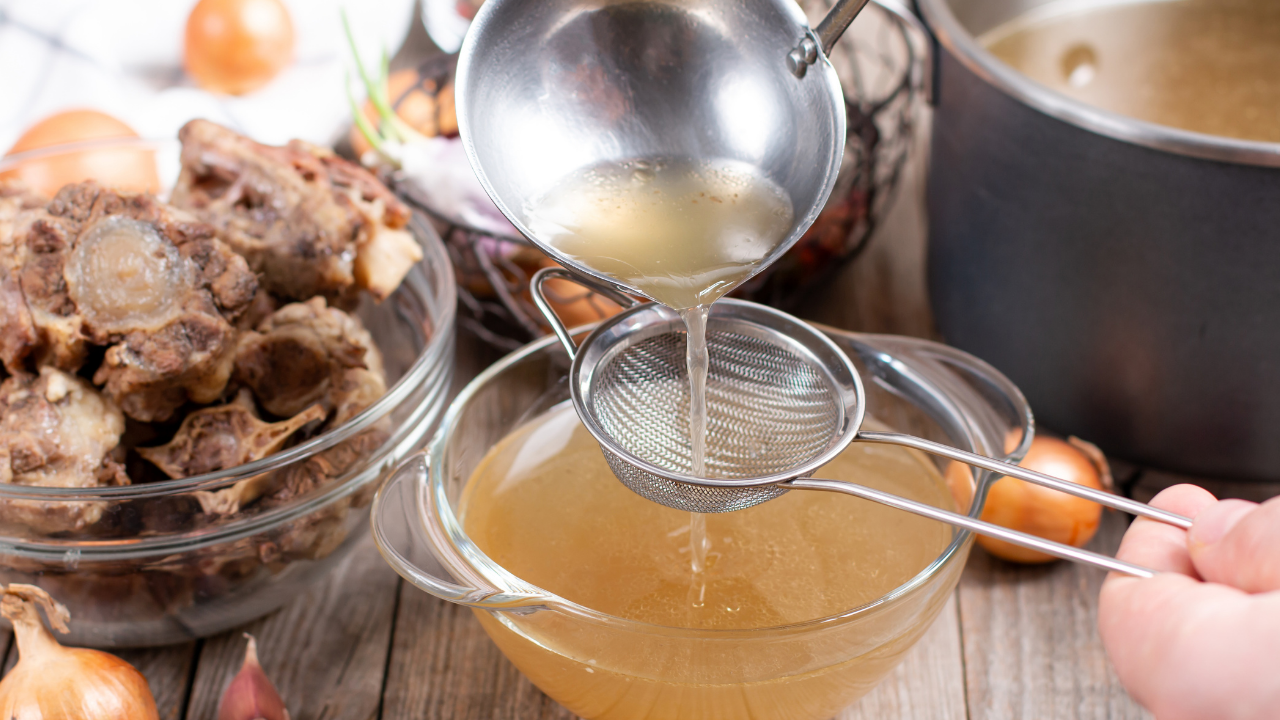
- Bone broth provides protein, minerals and nutrients that help nourish the gut lining. You can make your own or buy prepared versions in powder or liquid.
- Gut lining support with specific nutrients like (l-glutamine) and soothing herbs (like aloe) can help the lining repair.
Why the GI Protocol works better than just taking a probiotic
The GI Protocol supports the whole digestive tract, so your entire digestive system can work the way it’s meant to. That’s why it can lead to longer-lasting improvements than simply adding a probiotic. A probiotic on its own only addresses one piece of the puzzle.
How long does it take to heal your gut?
Everyone is different. Some people notice changes in their bloating and bowel movements within a few weeks, while others need a few months, especially if symptoms have been going on for years. The key is working through the phases in order and making changes you can stick with.
When to see a doctor
Talk to your family doctor right away if you have blood in your stool, black or tarry stools, unexplained weight loss, trouble swallowing, vomiting, severe or ongoing abdominal pain, or a sudden change in your bowel habits, especially if you’re over 50.
Follow the full GI Protocol step by step
Our Optimal Digestion Course walks you through all four phases of the GI Protocol, the same approach we use with our patients. In 9 short lessons, you’ll learn:
- how the digestive system and gut microbiome affect your energy, mood and immune system
- the differences between GERD, IBS, SIBO, leaky gut and food sensitivities
- how to track your bowel movements and start an elimination diet
- how to use digestive enzymes, probiotic foods, fiber, bone broth and castor oil packs
- how to keep your digestion on track after the course
It includes handouts, quizzes and lifetime access, so you can work through it at your own pace.
👉 Learn more about the Optimal Digestion Course
Prefer one-on-one support? Learn more about naturopathic care for IBS and digestive health.
When you want to see changes in your health, you have to make changes to your health.
Written by Dr. Tanya O’Brien, ND (Newfoundland) and Dr. Hallie Armstrong, ND (Michigan), naturopathic doctors (often called naturopaths) and co-founders of 2 Naturopathic Moms. This article is for education only and isn’t a substitute for individual medical advice.
Don't miss out!
New health tips, motivation, and classes delivered to your inbox.
We hate SPAM. We will never sell your information, for any reason.